Qo'lda yozish yoki noutbuk: qaysi biri yaxshiroq?
“Qo'lda yozilgan konspekt yaxshiroq eslab qolinadi” — buni mashhur tajriba isbotlagandek edi. Keyin olimlar uni takrorlab ko'rishdi.

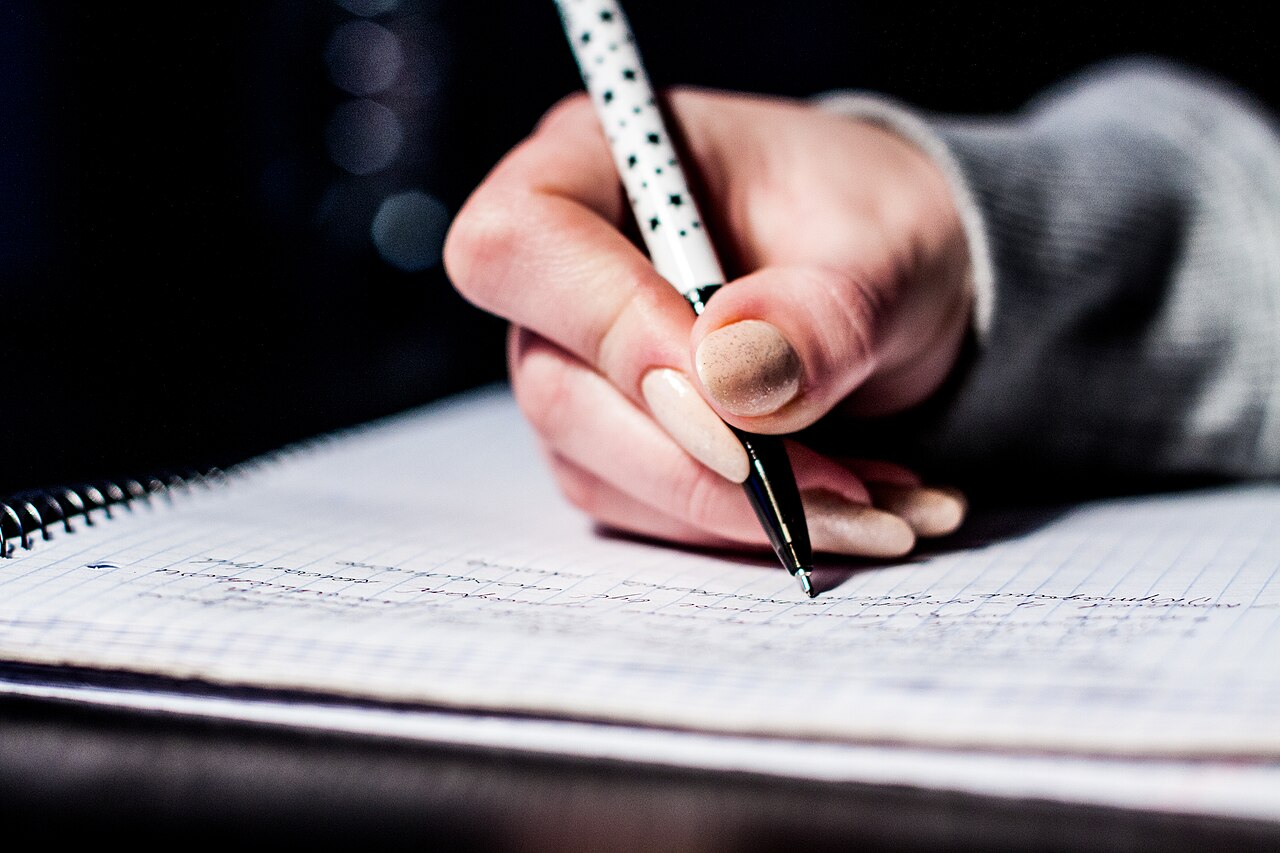
2014-yilda Pam Myuller va Deniel Oppenhaymerning “Ruchka klaviaturadan kuchliroq” nomli maqolasi juda mashhur bo'ldi. Ularning tajribasida noutbukda konspekt yozgan talabalar ma'ruzani so'zma-so'z ko'chirishga moyil bo'lgan, qo'lda yozganlar esa fikrni o'z so'zlari bilan qisqartirgan — va tushunchaga oid savollarga yaxshiroq javob bergan.
Takroriy tajriba
Fanda bitta tajriba yetarli emas. 2021-yilda Xezer Urri boshchiligidagi katta jamoa xuddi shu tajribani aynan takrorladi. Natija: qo'lda yozish va noutbuk o'rtasida tushunchani eslab qolishda farq topilmadi. Ular qo'shimcha tahlilda ham statistik jihatdan sezilarli ta'sir ko'rmadi.
Biroq bir qiziq bog'liqlik qoldi: konspektda so'zlar ko'p bo'lsa, natija yaxshiroq; ma'ruzani so'zma-so'z ko'chirish ko'p bo'lsa — yomonroq. Ya'ni muhimi — vosita emas, qanday yozishingiz.
Klaviatura ham, ruchka ham — faqat asbob. Fikrlash esa sizning ishingiz.
Qanday konspekt yozish kerak?
- O'z so'zlaringiz bilan yozing. Ma'ruzachi aytganini emas, tushunganingizni.
- Savol shaklida yozing. “Fotosintez nima?” — keyin bu savol bilan o'zingizni tekshirasiz.
- Konspektni qayta ishlang. Darsdan keyin 10 daqiqa: qisqartiring, xulosa yozing.
- Chalg'ituvchilarni yoping. Noutbukda faqat bitta hujjat ochiq tursin.
Shuningdek, noutbukning haqiqiy xavfi boshqa joyda: unda boshqa oynalar, chatlar va video bor. Konspekt uchun noutbuk ishlatsangiz, internetni o'chirib qo'ying.
Manba: Mueller & Oppenheimer, “The Pen Is Mightier Than the Keyboard”, Psychological Science, 2014; Urry va boshq., “Don’t Ditch the Laptop Just Yet”, Psychological Science, 2021; APS. Matn — o'zbek tilidagi erkin qisqacha bayon.