“Men vizualman”: o'rganish uslublari afsonasi
Vizual, audial yoki kinestetik — test topshirib, “o'z uslubingiz”ni bilib olish mashhur. Ammo bunga ilmiy dalil bormi?

Ko'p o'quvchilar “men vizual o'rganuvchiman, shuning uchun video orqali yaxshi tushunaman” yoki “men audialman, tinglashim kerak” deyishadi. G'oya mantiqiy eshitiladi: har kim o'z uslubida o'qisa, yaxshiroq o'rganadi. Ilmda bu “moslashtirish gipotezasi” deb ataladi.
Olimlar nimani talab qildi?
2008-yilda to'rt taniqli psixolog — Garold Pashler, Mark Makdaniel, Dag Rorer va Robert Byork — bu g'oyani tekshirgan barcha tadqiqotlarni ko'rib chiqdi. Ular aniq mezon qo'ydi: avval o'quvchilarning uslubini aniqlash, keyin ularni tasodifiy ravishda turli usulda o'qitish va oxirida hammaga bir xil test berish. Agar uslub muhim bo'lsa, “vizual”lar rasm bilan, “audial”lar tinglab yaxshiroq natija ko'rsatishi kerak.
Natija: bunday puxta tadqiqotlar juda kam topildi. Mezonga javob berganlarining bir nechtasi esa gipotezaga zid chiqdi. Mualliflar xulosasi: o'rganish uslublarini ta'limga kiritishni oqlaydigan yetarli dalil yo'q, resurslarni samaradorligi isbotlangan usullarga sarflash kerak.
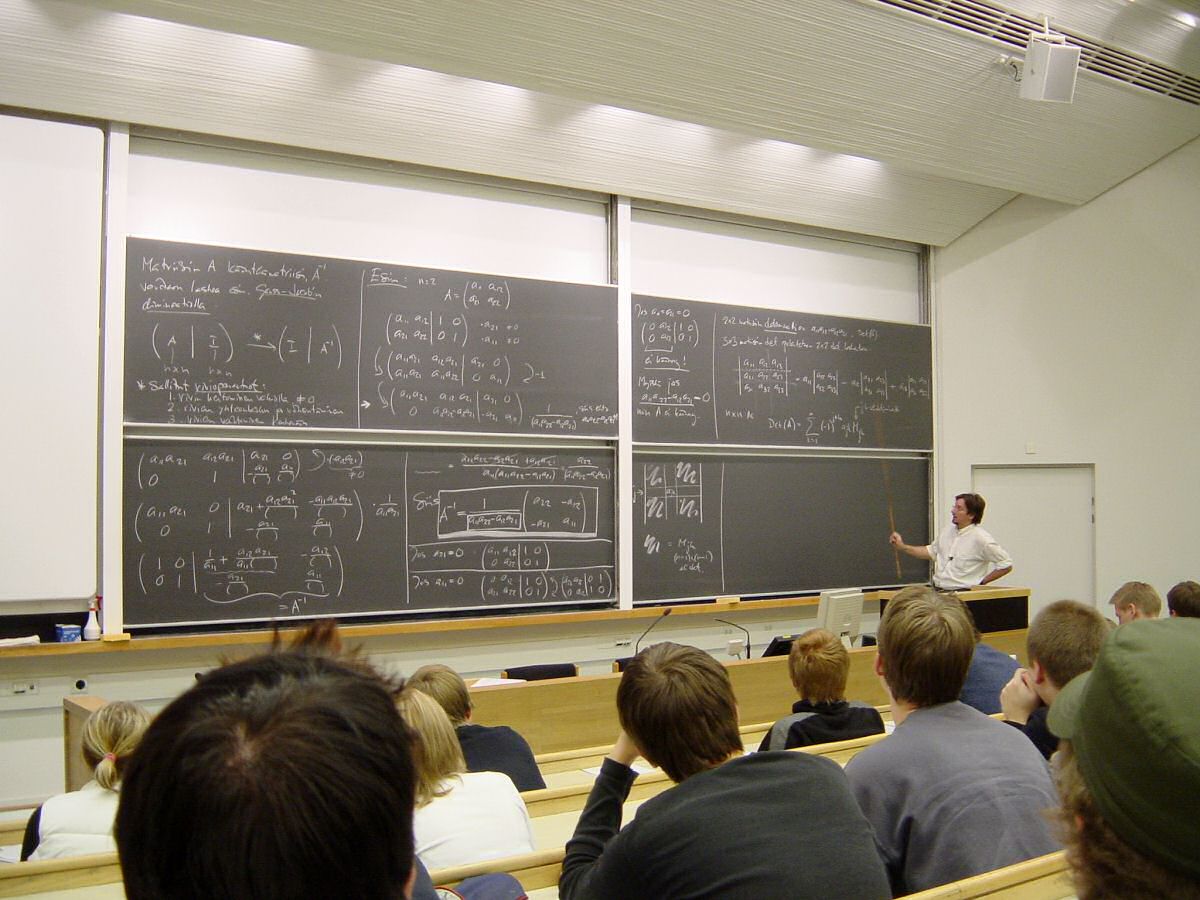
Uslubga emas, mazmunga qarang: xaritani ko'rib, she'rni tinglab, raqsni bajarib o'rganiladi.
Unda nima ishlaydi?
Hamma uchun ishlaydigan usullar bor: o'zini tekshirish, oraliq bilan takrorlash, misollar va tushuntirish. Bundan tashqari, mavzuga mos usulni tanlash muhim — geografiyani xarita bilan, talaffuzni tinglab o'rganish hammaga foydali.
- Bir nechta usulni aralashtiring. So'zni o'qing, eshiting, yozing va gapda ishlating.
- Mavzuga qarab tanlang. Grafik — ko'rib, talaffuz — tinglab, yozish — yozib.
- O'zingizni tekshiring. Har qanday “uslub”dan ko'ra samaraliroq.
- “Men X emasman” demang. Uslub yorlig'i o'zingizni cheklashga sabab bo'lmasin.
Manba: Pashler, McDaniel, Rohrer & Bjork, “Learning Styles: Concepts and Evidence”, Psychological Science in the Public Interest, 2008. Matn — o'zbek tilidagi erkin qisqacha bayon.