Afsonalar · Musiqa

Motsart tinglash aqlli qiladimi?

1990-yillarda “Motsart effekti” butun dunyoni zabt etdi: chaqaloqlar uchun disklar, maktablarda klassik musiqa. Fan nima topdi?

MyHarvardPath · Nature (1993) va Intelligence (2010) asosida · ≈ 3 daqiqa o'qish

Katta quloqchinda musiqa tinglayotgan o'quvchi, stolda unga shubha bilan qarayotgan kichik bastakor byusti (illyustratsiya)
Musiqa kayfiyatni ko'taradi — lekin IQ ni emas. Illyustratsiya: MyHarvardPath (AI yordamida)

1993-yilda Nature jurnalida Frensis Rausher va hamkasblarining qisqa maqolasi chiqdi. Talabalar Motsart sonatasini 10 daqiqa tinglagach, fazoviy fikrlash vazifalarida biroz yaxshiroq natija ko'rsatgan. Ta'sir vaqtinchalik edi va faqat bitta turdagi vazifaga tegishli edi.

Lekin ommaviy axborot vositalari buni “Motsart sizni aqlli qiladi” deb talqin qildi. Chaqaloqlar uchun klassik musiqa disklari sotildi, ba'zi joylarda esa bu g'oya rasmiy dasturlarga ham kirdi.
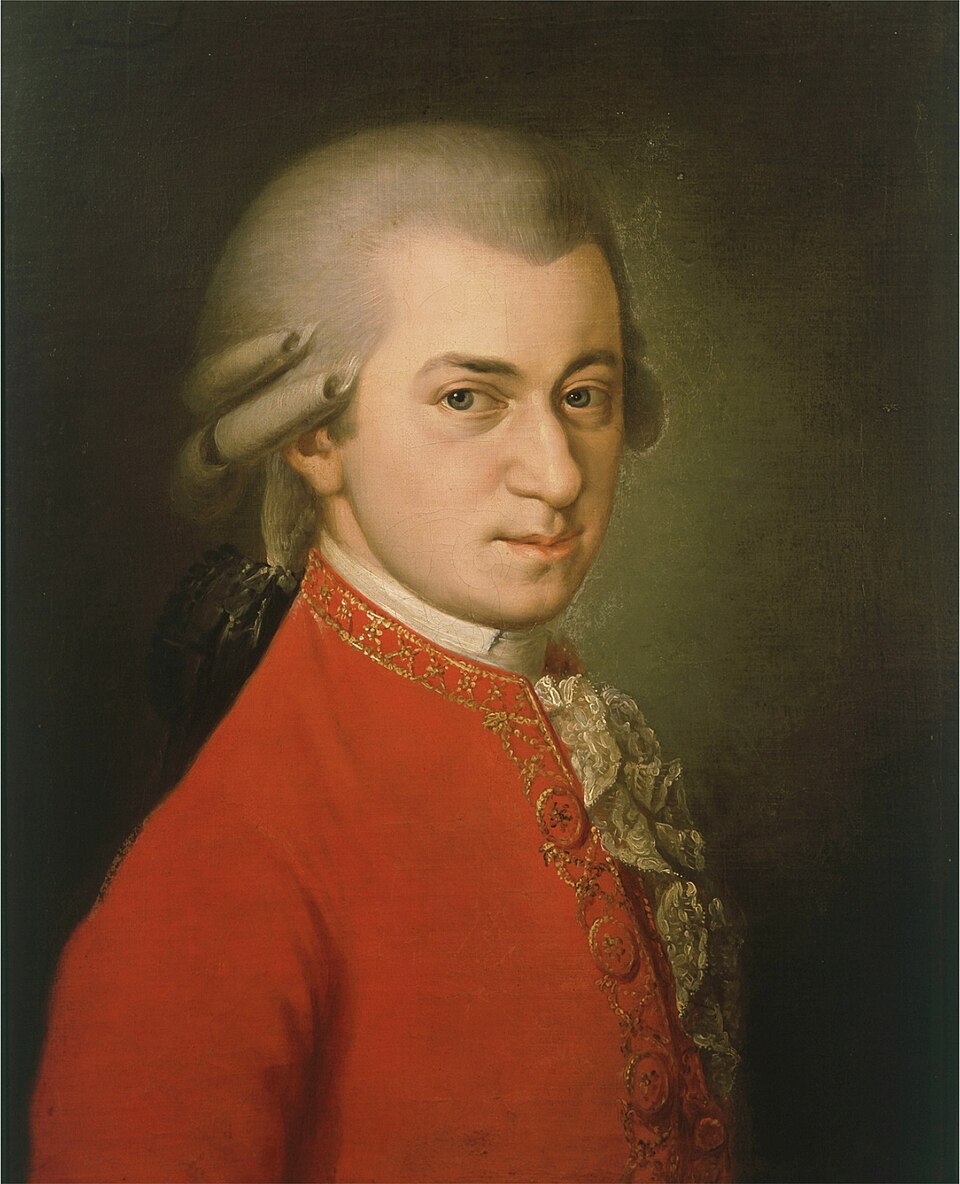
Volfgang Amadey Motsart portreti, Barbara Krafft
Volfgang Amadey Motsart. Portret: Barbara Krafft, 1819. Foto: Barbara Krafft, 1819 / Wikimedia Commons (Public domain)

Hammasini yig'ib ko'rganda

2010-yilda Vena universiteti olimlari Yakob Pitshnig va hamkasblari bu mavzudagi 40 ga yaqin tadqiqotni (3000 dan ortiq ishtirokchi) birlashtirib tahlil qilishdi. Maqolaning nomi ham kulgili edi: “Mozart effect — Shmozart effect”. Xulosa: aynan Motsart tinglash fazoviy qobiliyatni oshiradi degan da'voni tasdiqlovchi dalil yo'q.

Kuzatilgan kichik ta'sir, ehtimol, musiqa umuman kayfiyatni ko'tarishi va odamni “uyg'otishi” bilan bog'liq — buni Motsart ham, boshqa yoqimli musiqa ham bera oladi.

1993Nature'dagi original maqola
~40tadqiqot 2010-yilgi tahlilda
3000+ishtirokchi jami

Tinglash — dam olish. Chalish — mashq. Faqat ikkinchisi yangi ko'nikma beradi.

O'qish paytida musiqa-chi?

Manba: Rauscher, Shaw & Ky, “Music and spatial task performance”, Nature, 1993; Pietschnig, Voracek & Formann, “Mozart effect–Shmozart effect: A meta-analysis”, Intelligence, 2010. Matn — o'zbek tilidagi erkin qisqacha bayon.

Myths · Music

Does listening to Mozart make you smarter?

In the 1990s the “Mozart effect” took the world by storm: CDs for babies, classical music in schools. What did science find?

MyHarvardPath · Based on Nature (1993) and Intelligence (2010) · ≈ 3 min read

A student enjoying music on big headphones while a small composer bust raises an eyebrow (illustration)
Music lifts your mood, not your IQ. Illustration: MyHarvardPath (AI-assisted)

In 1993, Nature published a short paper by Frances Rauscher and colleagues. After listening to a Mozart sonata for 10 minutes, students did slightly better on spatial reasoning tasks. The effect was temporary and applied to only one type of task.

The media, however, turned this into “Mozart makes you smarter”. Classical-music CDs for babies were sold, and in some places the idea even made its way into official programmes.

Portrait of Wolfgang Amadeus Mozart by Barbara Krafft
Wolfgang Amadeus Mozart. Portrait by Barbara Krafft, 1819. Photo: Barbara Krafft, 1819 / Wikimedia Commons (Public domain)

Putting it all together

In 2010, Jakob Pietschnig and colleagues at the University of Vienna combined about 40 studies on the topic (more than 3,000 participants). The title was playful too: “Mozart effect–Shmozart effect”. The conclusion: there is no evidence that listening to Mozart specifically improves spatial ability.

The small effect that was seen is probably due to music lifting mood and arousal in general, something Mozart or any other enjoyable music can do.

1993the original Nature paper
~40studies in the 2010 analysis
3,000+participants in total

Listening is rest. Playing is practice. Only the second builds a new skill.

What about music while studying?

Source: Rauscher, Shaw & Ky, “Music and spatial task performance”, Nature, 1993; Pietschnig, Voracek & Formann, “Mozart effect–Shmozart effect: A meta-analysis”, Intelligence, 2010. Text: a free summary.

Yana o'qingRead more

Boshqa maqolalarMore articles

Barcha maqolalar →All articles →