O'qish usullari

Qayta o'qish emas — o'zingizni tekshiring

Darslikni uch marta o'qib, markyor bilan bo'yab chiqish — eng mashhur, lekin eng samarasiz usullardan biri. Fan boshqa yo'lni ko'rsatadi.
MyHarvardPath · Psychological Science tadqiqoti asosida · ≈ 3 daqiqa o'qish

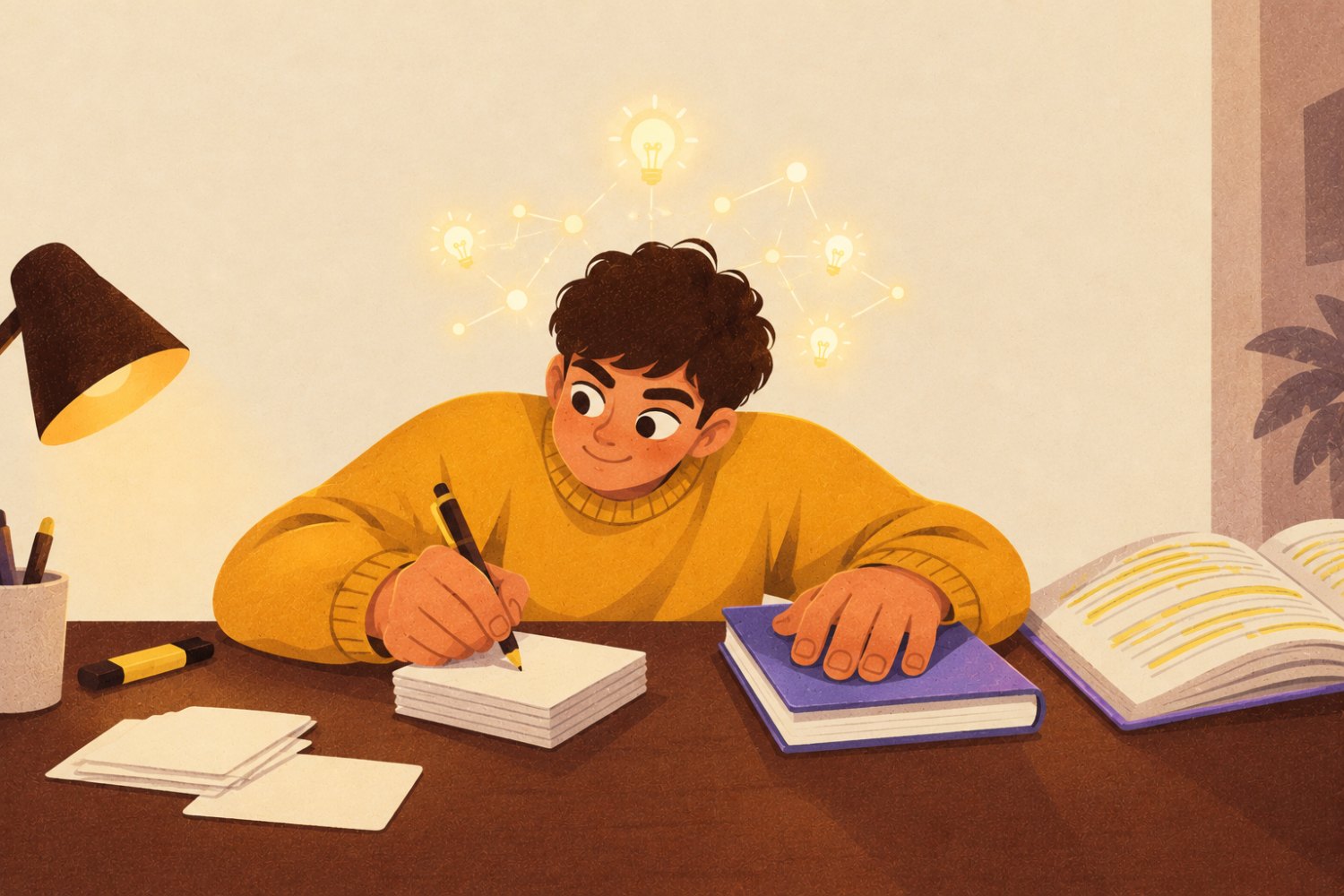
Kitobni yopib, kartochkalarga xotiradan javob yozayotgan o'quvchi (illyustratsiya)
Kitobni yoping va eslab ko'ring — aynan shu harakat xotirani mustahkamlaydi. Illyustratsiya: MyHarvardPath (AI yordamida)

Ko'pchilik o'quvchilar bir xil qiladi: mavzuni qayta-qayta o'qiydi, muhim joylarni bo'yaydi va “hammasini bilaman” degan tuyg'u bilan imtihonga boradi. Muammo shundaki, bu tuyg'u aldamchi. Matn tanish bo'lib qolgani — uni eslay olish degani emas.

Mashhur tajriba

2006-yilda Vashington universiteti psixologlari Genri Roediger va Jeffri Karpik talabalarga qisqa matnlarni o'rgatishdi. Bir guruh matnni qayta-qayta o'qidi. Ikkinchi guruh bir marta o'qib, keyin kitobga qaramasdan esidagi hamma narsani yozib chiqdi — ya'ni o'zini tekshirdi.

61%o'zini tekshirgan guruh bir haftadan keyin esladi
40%qayta o'qigan guruh bir haftadan keyin esladi
14 vs 3marta: qayta o'quvchilar matnni ko'proq o'qishgan

Eng qizig'i: 5 daqiqadan keyingi testda qayta o'quvchilar oldinda edi va o'zlariga ko'proq ishonishardi. Lekin bir haftadan keyin manzara butunlay o'zgardi. Qayta o'qish qisqa muddatda yordam beradi, o'zini tekshirish esa uzoq muddatda.

Xotira — mushak kabi: uni o'qish emas, eslashga urinish kuchaytiradi.
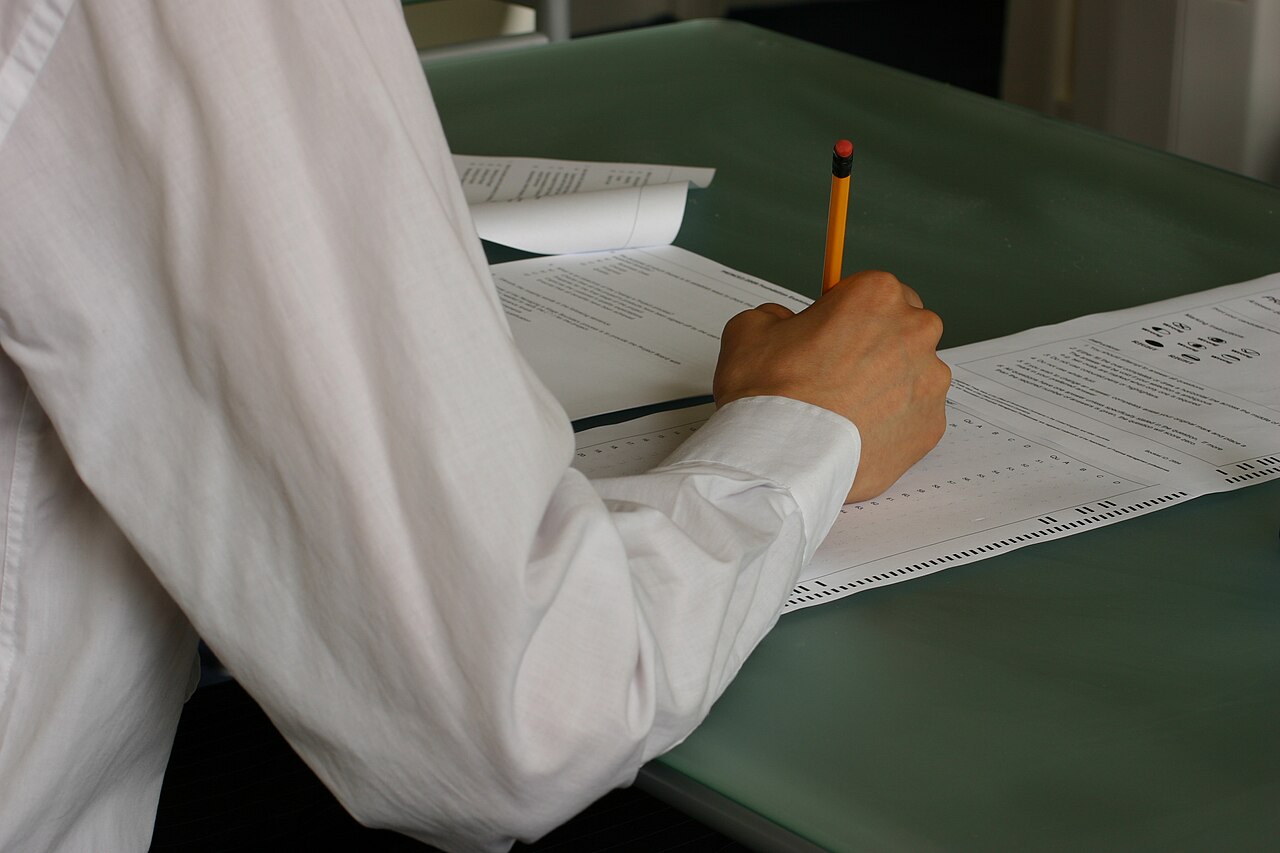
Imtihonda qalam bilan javob yozayotgan talaba
Har bir mashq testi — haqiqiy imtihonga “repetitsiya”. Foto: Alison Wood / Wikimedia Commons (CC BY 3.0)

Buni qanday qo'llash mumkin?

Saytdagi lug'at bo'limi aynan shu usulda ishlash uchun qulay: so'zni ko'rmasdan oldin uning ma'nosini eslab ko'ring.

Manba: Roediger & Karpicke, “Test-Enhanced Learning: Taking Memory Tests Improves Long-Term Retention”, Psychological Science, 2006; APS Observer. Matn — o'zbek tilidagi erkin qisqacha bayon.

Study methods

Stop rereading: test yourself instead

Reading the textbook three times and colouring it with a highlighter is one of the most popular, and least effective, ways to study. Science points to another way.

MyHarvardPath · Based on a Psychological Science study · ≈ 3 min read

A student who has closed the book writing answers on flashcards from memory (illustration)
Close the book and try to recall: that effort is exactly what strengthens memory. Illustration: MyHarvardPath (AI-assisted)

Most students do the same thing: they reread the topic again and again, highlight the important parts and walk into the exam feeling “I know all of this”. The problem is that the feeling is misleading. Text becoming familiar does not mean you can recall it.

A famous experiment

In 2006, Washington University psychologists Henry Roediger and Jeffrey Karpicke had students study short passages. One group reread the text several times. The other read it once and then, without looking at the book, wrote down everything they remembered: in other words, they tested themselves.

61%recalled after a week by the self-testing group
40%recalled after a week by the rereading group
14 vs 3times: the rereaders read the text more often

The most interesting part: on a test five minutes later, the rereaders were ahead and more confident. But a week later the picture flipped completely. Rereading helps in the short term; testing yourself helps in the long term.

Memory is like a muscle: it grows from trying to recall, not from reading.

A student writing exam answers with a pencil
Every practice test is a rehearsal for the real exam. Photo: Alison Wood / Wikimedia Commons (CC BY 3.0)

How to use this

The site's vocabulary section works well with this method: try to recall a word's meaning before you look at it.

Source: Roediger & Karpicke, “Test-Enhanced Learning: Taking Memory Tests Improves Long-Term Retention”, Psychological Science, 2006; APS Observer. Text: a free summary.

Yana o'qingRead more

Boshqa maqolalarMore articles

Barcha maqolalar →All articles →